

Quick answer
The most helpful tips for a tarot beginner are practical, not mystical. Nothing bad happens when you shuffle a deck, and you do not need a ritual to protect yourself from it. What you do need is a Rider-Waite-Smith deck, a notebook, a short daily habit and a few rules that stop a reading from becoming either a chore or an obsession. The ten tips below are the ones experienced readers wish they had been given at the start, and each one takes less than a minute to put into practice.
Ten practical tips for your first months with tarot
Beginners tend to worry about the wrong things: whether a deck must be gifted, whether it needs cleansing, whether the Death card means what it sounds like. None of that matters much. What matters is handling the cards often enough that the images become familiar, asking questions you can act on, and keeping a record so you can see your own progress. If the idea that tarot is dangerous is still in the back of your mind, the article on whether tarot is dangerous deals with that directly. Here is the list.
- Buy your own deck. The “it must be a gift” rule is folklore. Choose a Rider-Waite-Smith deck or a close follower so the guidebooks match the pictures.
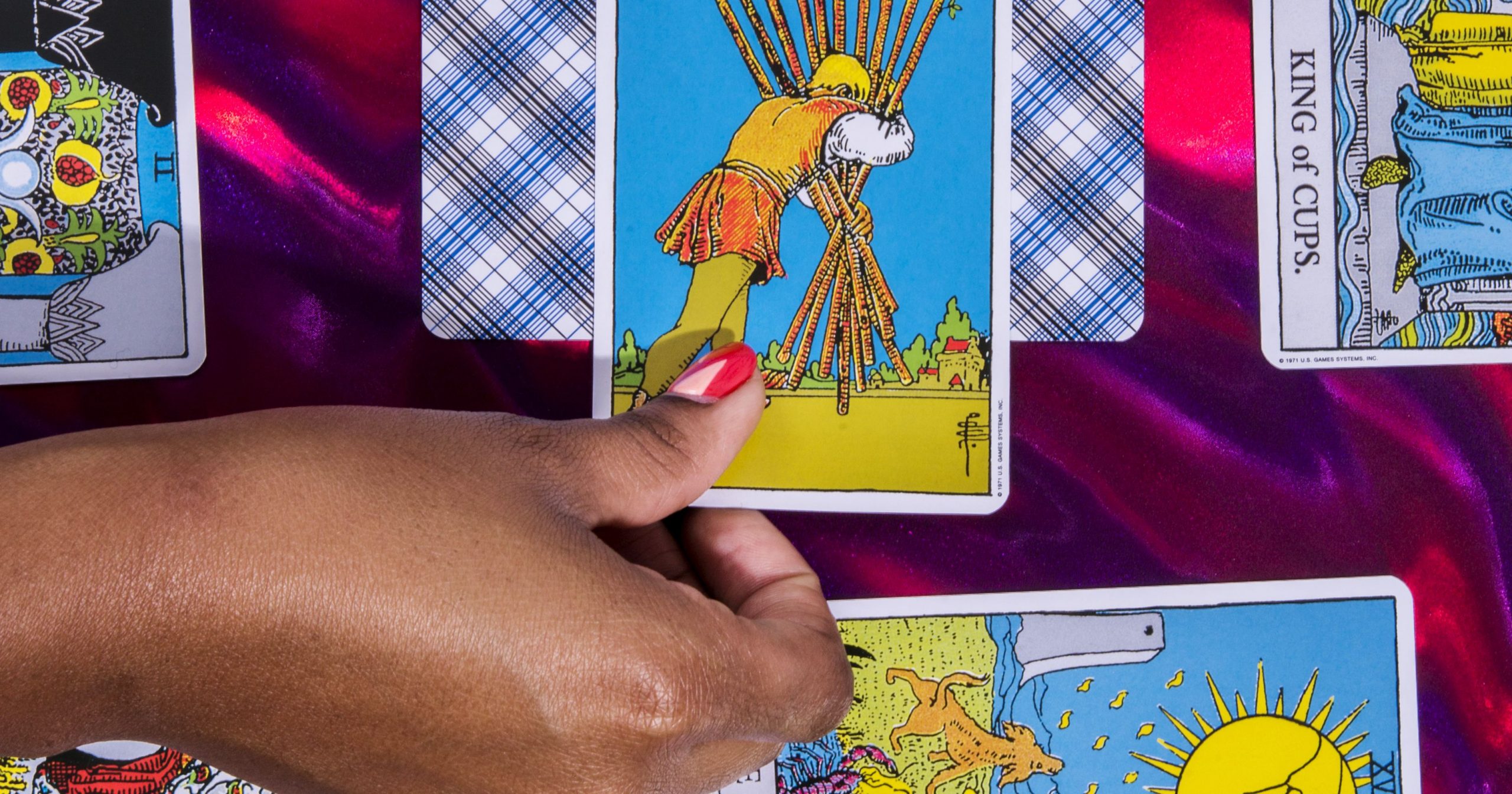
- Look before you read. Describe the picture on each card out loud before checking the meaning. The image is the lesson; the keyword is a label.
- Pull one card a day. Ten minutes with one card beats an hour with the whole deck once a month.
- Keep a notebook. Date, question, cards, first reaction, guidebook meaning. Reread it monthly.
- Ask open questions. “What should I pay attention to at work?” gives you more to use than “Will I get the job?”
- Decide the spread first. Name the positions before you deal, so you cannot reshape the reading around the cards you got.
- Read Death and the Tower early. Meet the cards you fear while the stakes are low. They are about endings and upheaval, not disaster.
- Skip the reshuffle. One draw per question. If you dislike the answer, write down why; that is often the useful part.
- Notice when a reading feels uncannily personal. Broad statements fit almost anyone, a pattern called the Barnum effect. Ask what in the reading is specific to you.
- Stop when it stops helping. If you are pulling cards several times a day about the same worry, put the deck away and talk to someone.
Keep in mind: Card meanings are traditions attached to the Rider-Waite-Smith deck of 1909 and the books built on it, and a reading is a structured way to reflect, not a way to predict events or read another person’s mind. Health, legal, money and safety questions go to a qualified professional, and if low mood is behind the questions, call or text 988 in the US.
Read the full guide
The beginners hub covers the deck’s structure, first spreads and how to build a reading practice that stays useful.