

Quick answer
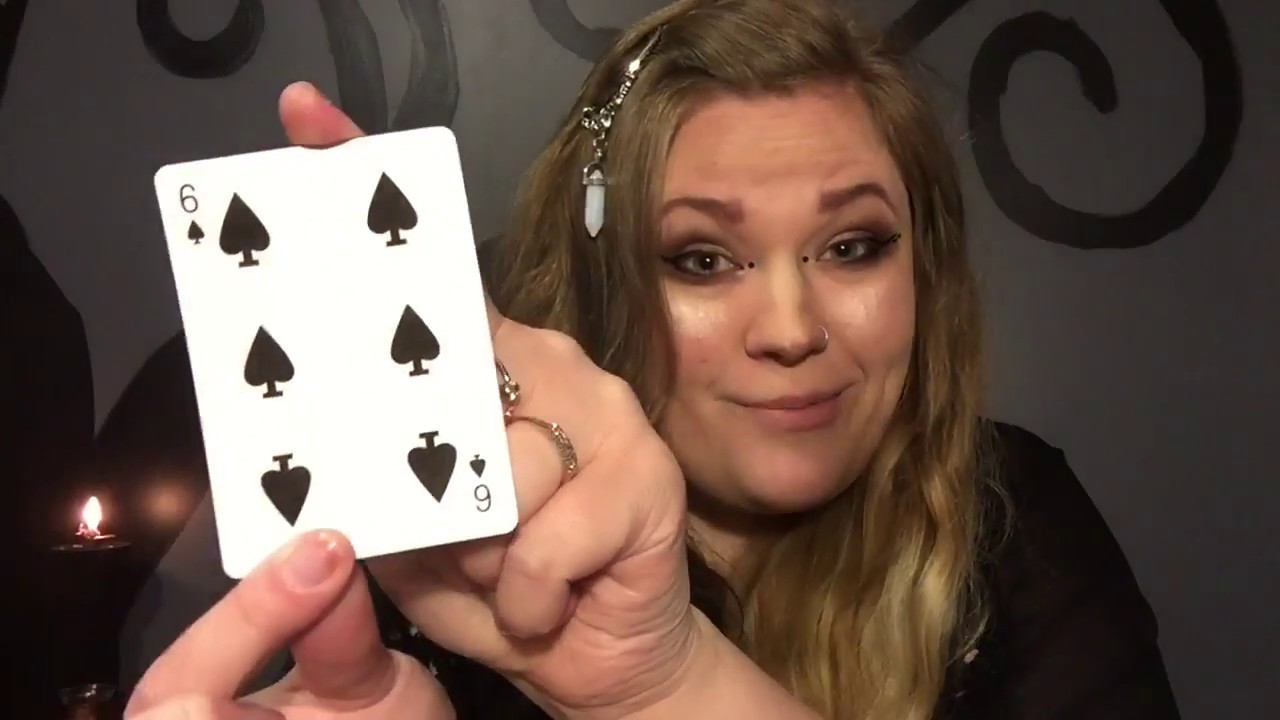
Yes, you can do a tarot-style reading with an ordinary 52-card deck. Take out the jokers, then treat Hearts as Cups, Clubs as Wands, Diamonds as Pentacles and Spades as Swords. Every numbered card and three of the four court cards map straight across; the only cards missing are the four Knights and the 22 Major Arcana. The result is not a lesser tarot. It is cartomancy, a tradition of reading playing cards that is older than most of the tarot guidebooks on the shelf, and it works the same way: as a structured prompt for reflection, not as a forecast.
How the suits line up
Tarot and playing cards are cousins. Both grew out of the same four-suit decks that reached Europe in the fourteenth century, and tarot’s extra trump cards were added for a game in Italy in the 1430s. That shared ancestry is why the mapping below feels natural rather than forced. The suit tells you the area of life, the number tells you the stage, and the court card tells you the person or the role.
| Playing card suit | Tarot suit | Element and theme | Court cards |
|---|---|---|---|
| Hearts | Cups | Water: feelings, relationships, care | Jack = Page, Queen = Queen, King = King |
| Clubs | Wands | Fire: energy, work, creative drive | Jack = Page, Queen = Queen, King = King |
| Diamonds | Pentacles | Earth: money, home, practical matters | Jack = Page, Queen = Queen, King = King |
| Spades | Swords | Air: thoughts, decisions, conflict | Jack = Page, Queen = Queen, King = King |
The Knights are the one gap. Tarot has four court cards per suit and playing cards have three, so the Knight, the card of action and movement, has no partner. Readers handle this in two ways: some read the Jack as a blend of Page and Knight, a young person or a message that is already on its way; others leave Knights out and let the numbered cards carry the sense of motion. Either is fine as long as you decide before you shuffle. Numbers follow the usual tarot conventions: Aces for beginnings, Fives for friction, Tens for completion, with the suit colouring the meaning.
A three-card example shows how quickly it comes together. Ask a simple question such as “What should I pay attention to this week?” and deal three cards for situation, challenge and advice. Suppose you draw the Seven of Clubs, the Three of Spades and the Queen of Diamonds. Read as Wands, Swords and Pentacles, that is the Seven of Wands (holding your ground under pressure), the Three of Swords (a hurt or a hard truth) and the Queen of Pentacles (practical care). A plain reading might be: you are defending a position at work or at home; something said recently still stings; the useful move is to look after the basics, such as food, sleep and money, before arguing further. Nothing in that is a prediction. It is a short, structured conversation with yourself, and that is all a tarot deck offers too.
Keep in mind: Card meanings, whether on a tarot deck or a deck of playing cards, are interpretive traditions, not measurements. No spread predicts events, reads another person’s mind or sets a timeline. If the question is about health, money, a legal matter or your safety, take it to a qualified professional. The shared history of the two decks is summarised in Britannica’s entry on tarot.
Read the full guide
The hub covers what cartomancy is, where it came from, the full card-by-card meanings for a 52-card deck, and several spreads to try.